Scar Work Therapy
“Petra has been very helpful with the few patients whose scars are not healing as well as one would like in particular after multiple surgeries - and patients comment they feel safe and confident with her - can highly recommend”
Claire Mellon - Consultant Obstetrician and Gynecologist, Founder of Miss Claire Mellon & Associates at Portland Hospital
Gentle touch. Deep Healing. Visible Change
Scars Are More Than Skin Deep
Scars can be more than a surface issue. Whether from surgery, injury, or trauma, scar tissue may lead to pain, tightness, numbness, or changes in appearance. Left untreated, it can pull on surrounding tissues, restrict movement, and even create discomfort in areas far from the original wound.
ScarWork Therapy offers a gentle and effective way to release these restrictions, support healing, and restore a sense of ease in the body.
Why Early Scar Therapy Matters
After surgery or trauma, scar tissue may not always heal in an ideal way. Without intervention, it can lead to ongoing issues such as:
Common Scar-Related Problems
Hypertrophic scars – raised and thick, staying within the wound boundary
Keloid scars – overgrown tissue extending beyond the scar site
Contractures – tight, shortened skin that restricts movement
Adhesions – internal scar bands tethering muscles or organs
Fibrosis – dense, stiff tissue limiting flexibility
Atrophic scars – sunken or pitted areas due to tissue loss
Seromas – fluid build-up under the skin post-surgery
Tissue stagnation – trapped fluid and waste due to poor circulation
Even if a scar looks small or healed on the outside, it may be causing deeper problems internally.
What Is ScarWork?
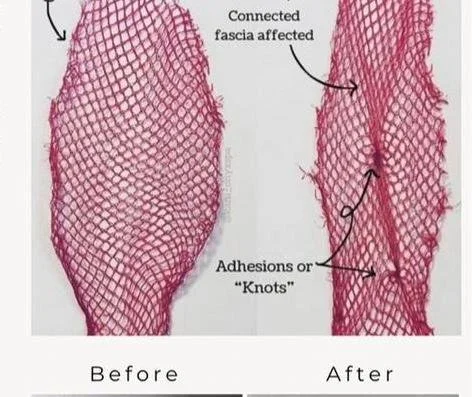
ScarWork is a specialised, oil-free technique developed by Sharon Wheeler. With light, precise touch, it works directly with the skin and underlying fascia to:
Soften adhesions
Restore mobility
Improve tissue quality
Reconnect you to your body
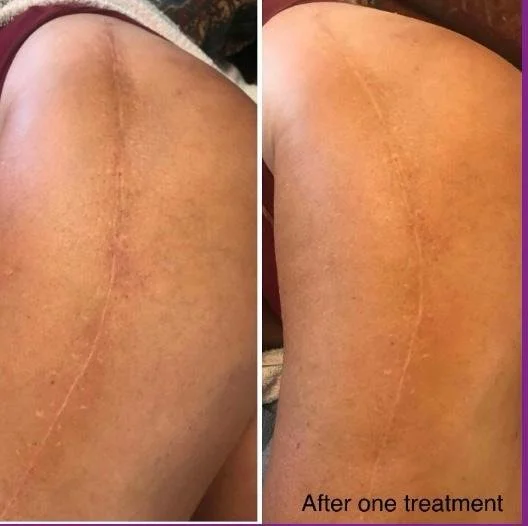
This approach is subtle but powerful, often producing lasting change even after just a few sessions.
ScarWork Can Support Healing After:
• C-sections
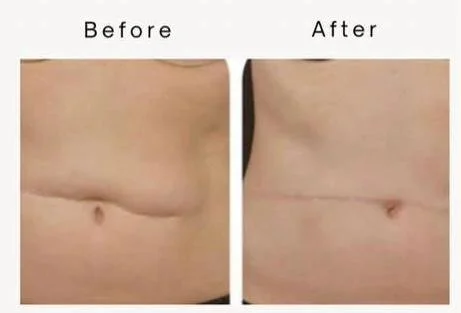
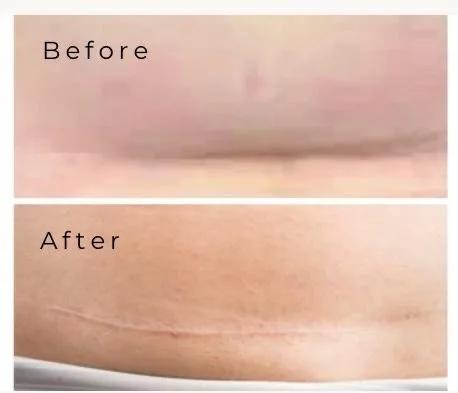
• Tummy tucks (abdominoplasty)
• Breast reductions or augmentations
• Liposuction
• Joint replacements
• Mastectomies
• Burns or accidents
How ScarWork Helps
ScarWork encourages the body’s natural healing by:
• Increasing mobility and flexibility of skin and fascia
• Enhancing circulation and lymphatic flow
• Reducing pain, pulling, tightness, or numbness
• Softening visible bumps, lumps, or ridges
• Smoothing tone and texture of the skin
• Releasing emotional tension stored in the scar
Clearing Congestion & Stagnation
Scars can block the healthy flow of fluids, trapping dead cells and waste.
This may leave the area feeling:
• Puffy or swollen
• Numb or disconnected
• Sensitive or painfulk
ScarWork gently supports your body in clearing this stagnation and restoring ease and balance.
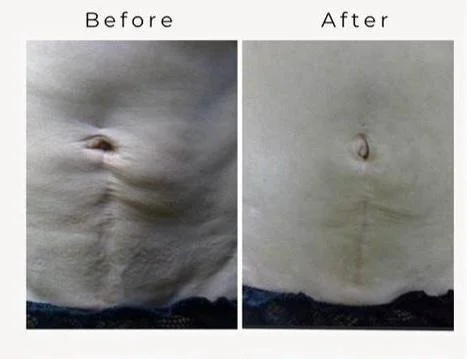
Is ScarWork Right for You?
Whether your scar is recent or decades old, ScarWork may help. It’s suitable for:
Physical discomfort or movement restriction
Cosmetic concerns or uneven texture
Emotional disconnection from a scarred area
Long-term healing and reintegration
When Can ScarWork Begin?
ScarWork therapy can usually begin once your wound is fully healed—typically from around 6 to 7 weeks after a C-section, or after your six-week postnatal check.
The work is gentle but highly effective. You may feel a light pinching sensation during treatment, but everything is done within your comfort zone. Most clients find the sessions deeply relaxing, with many even drifting off to sleep.
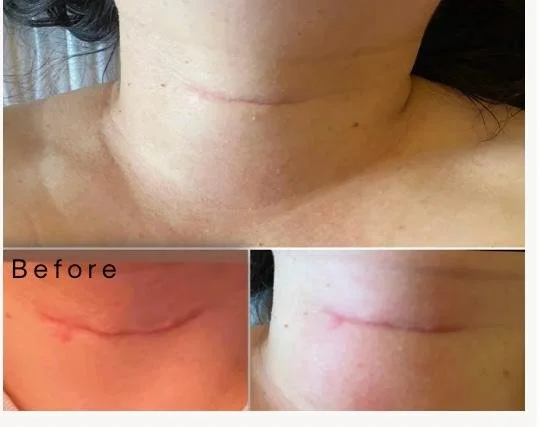
Lindsey’s Story – Scar Around the Voice Box
Lindsey came to me following surgery around her voice box, which had left her with a prominent scar and a persistent feeling of tightness whenever she spoke or moved her neck. The scar tissue felt restrictive and uncomfortable—affecting not only her physical ease but also her confidence.
After just two scar therapy sessions, the difference was remarkable. The scar became noticeably flatter, smoother, and less raised, and most importantly, the tightness she had been experiencing disappeared.
This is a reminder that scar therapy isn’t just cosmetic—it can significantly improve comfort, mobility, and functionality.
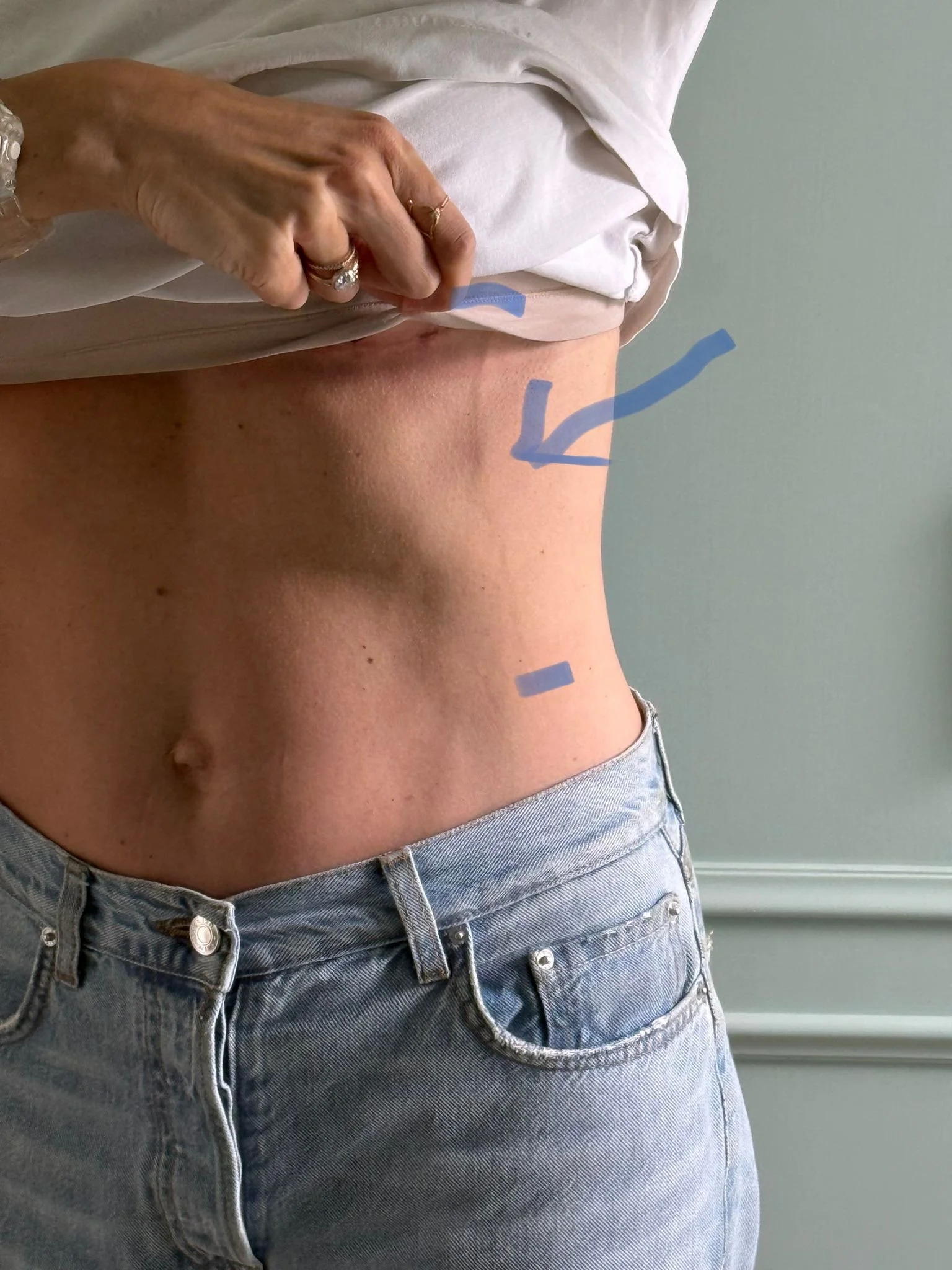
Sophia Story:
Vertical Line After Breast Reduction -Improved with Scar Therapy
After her breast reduction surgery, this client noticed a tight vertical line running down her upper abdomen. It wasn’t part of surgical site but was caused by myofascial restriction - tension in the connective tissue.
Through targeted scar massage and fascia release, we were able to reduce the tightness and soften the visible line. This is a great example of how scar therapy can help with hidden post-surgical effects that impact comfort and body confidence.
Client reported that the tightness is completely gone.
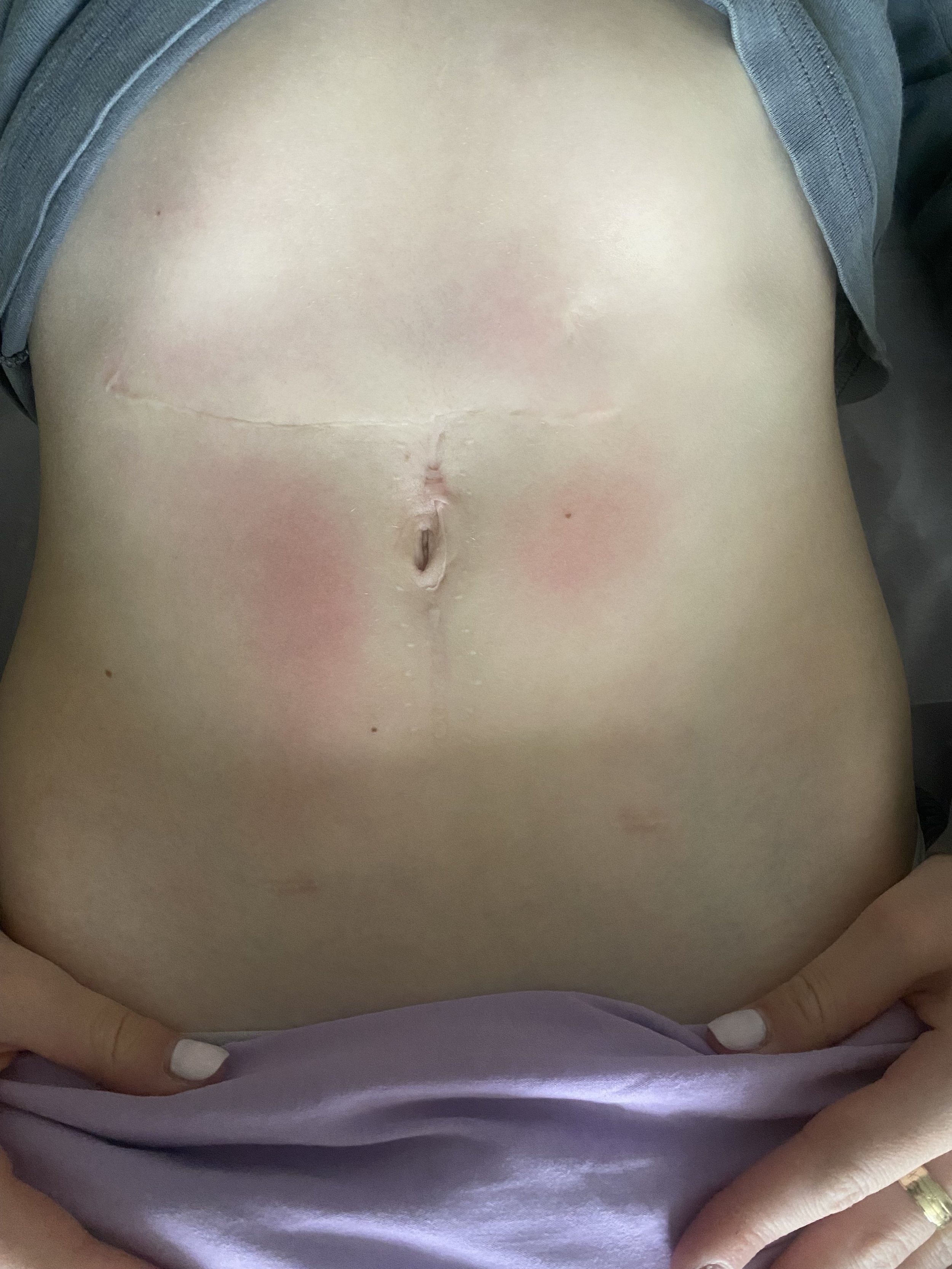
Talia’s Story - The Importance of Scar Work
Talia is about 19 years old and was born prematurely at 27 weeks. At just 18 days old, she underwent emergency surgery due to a perforated stomach. Although she had relatively few symptoms for many years, she began experiencing Abdominal pain around 17 years after the surgery. She was rushed into emergency surgery with a bowel obstruction. The surgeons attempted laparoscopy, but eventually had to open her abdomen to resolve the issue. They found that scar tissue was the cause of the obstruction.
When I saw Talia, she was still experiencing pain and was understandably concerned about the impact of new scar tissue. Over the course of five sessions, the pain and tightness have significantly reduced, and the scar itself is much less raised.
Scar therapy is not just about improving the appearance, it plays a crucial role in reducing discomfort, restoring movement, and preventing future complications.
Nadia’s Story – Recovery After Second Hip Replacement
Nadia came to see me following her second hip replacement surgery. The healing process had been noticeably slower than expected. She was still experiencing pain and restricted movement, and the scar felt tight and tender.
One possible reason for the delayed recovery was scar tissue from her first surgery. Old scar tissue can become restrictive, limiting blood flow and impeding healing in surrounding areas.
After just two scar therapy treatments, Nadia experienced a remarkable release. The pain reduced significantly, and she felt freer and more mobile. She described it as a turning point in her recovery—regaining comfort and ease she hadn’t felt in months.
Scar work isn’t just about appearance—it can support healing, mobility, and quality of life after surgery.